Are you dreaming about living near the ocean full-time, not just visiting for a weekend? Jacksonville Beach can absolutely deliver that everyday coastal feel, but year-round life here comes with more than sunrises and sandy walks. If you are thinking about buying, renting, or relocating to the Beaches, this guide will help you understand the lifestyle, costs, commute, housing mix, and storm planning that shape daily life. Let’s dive in.
What Year-Round Beach Living Feels Like
Jacksonville Beach feels more compact and neighborhood-based than many people expect. With about 7.3 square miles of land and a population of 23,615, it tends to feel close-knit rather than spread out. That smaller footprint is part of what gives the area its everyday, local rhythm.
Living here often means building your routine around the coast. Morning beach walks, bike rides along First Street, and quick trips to nearby parks or restaurants can become part of your normal week instead of a special occasion. Jacksonville Beach is also about 17 miles from downtown Jacksonville, which helps connect beach life with the larger city.
Beach Rules Matter Daily
When you live at the beach, local rules shape your routines more than you might think. Jacksonville Beach requires dune crossovers for beach access and protects dunes and sea oats, so access points are structured and intentional. You also cannot drive on the beach.
There are other rules residents should know well, including bans on alcohol and glass on the sand. Dog access is also limited to specific hours during warmer months. These may sound like small details, but they affect how you plan walks, gatherings, and everyday beach time.
Commuting From Jacksonville Beach
If you work outside the Beaches, commute planning matters. The mean travel time to work in Jacksonville Beach is 23.7 minutes, which suggests a manageable commute for many residents. Still, beach living is very much tied to bridges, major roads, and traffic flow.
The city’s evacuation planning also shows how people typically move in and out of the area. Routes west include Beach Boulevard, Butler Boulevard, Atlantic Boulevard, I-95, and I-295, depending on where you live. In practical terms, that means you will want to think about bridge timing, traffic patterns, and weather disruptions as part of normal life.
Driving Is Usually the Main Option
For most residents, driving is still the primary way to get around. That is especially true if your work, errands, or appointments take you beyond the beach communities. If you are relocating from an area with denser transit access, this is an important adjustment to keep in mind.
Transit Can Help With Short Trips
There are still a few transportation options that can make local life easier. JTA operates Route 8 and the Beaches / Town Center route, and the Beach Buggy offers free on-demand rides within Jacksonville Beach, Neptune Beach, Atlantic Beach, and San Marco. These services can be useful for short local trips or nights out, but they work best as a supplement to driving rather than a full replacement.
Recreation Beyond the Sand
One reason people enjoy living here year-round is that the lifestyle is not limited to beach days. Jacksonville Beach Pier is open daily and includes fishing access, restrooms, concessions, bait and tackle, and wheelchair access. Oceanfront Park adds dune walkovers, picnic shelters, a playground, volleyball, and direct beach access.
The city also supports parks, open space, recreation, and ocean safety through its Parks and Recreation Department. That means your options for outdoor time stay active throughout the year, even when you are not spending a full day on the sand. For many residents, that variety helps the area feel livable in every season.
Dining, Entertainment, and Local Rhythm
Year-round beach living also means having places you can revisit often without it feeling like a tourist stop. Jacksonville Beach has a close-in mix of restaurants, breweries, and casual entertainment that supports a strong neighborhood feel. Local highlights include brunch spots, seafood, tacos, ocean-view bars, and breweries.
Beyond dining, the area offers casual things to do that fit into regular life. Examples highlighted by Visit Jacksonville include Beach Bowl, Beaches Museum, Blue Jay Listening Room, the city golf course, and Seawalk Pavilion. This mix helps create a social loop that feels active without requiring a major outing every time.
Events Keep the Area Active
The local calendar stays busy throughout the year, which is another reason people enjoy the area beyond peak vacation season. Recurring events include:
- The weekly Beaches Green Market
- The monthly North Beaches Art Walk
- The first-Saturday Maker’s Market at Bold Bean Jax Beach
- The annual Beaches Fine Arts Series
- Larger festivals like Springing the Blues, Florida Fin Fest, Beaches Oktoberfest, and Super Girl Surf Pro
This steady flow of events adds variety to the year and gives residents regular ways to stay connected to the local community.
Housing at Jacksonville Beach
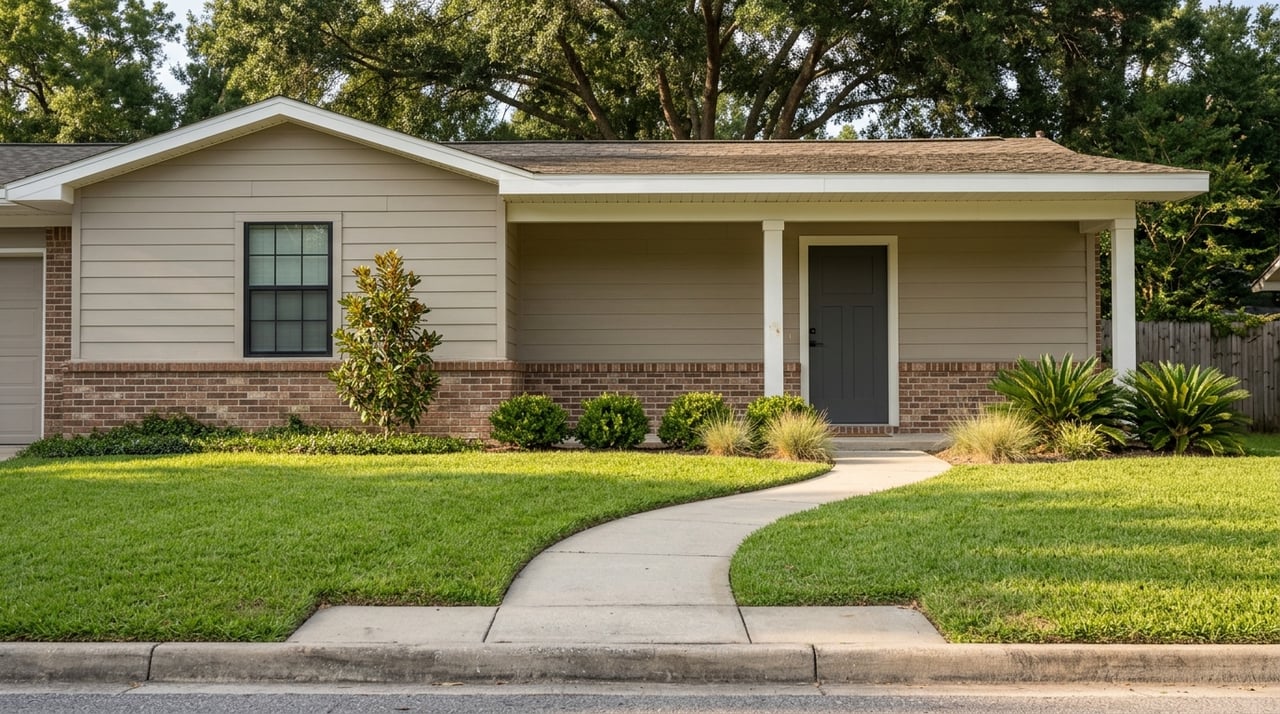
If you picture Jacksonville Beach as only large detached beach houses, the reality is broader than that. The city’s comprehensive plan emphasizes preserving neighborhood character while encouraging diversity in housing types. That includes single-family homes, multi-family housing, and single-family attached homes.
For buyers and renters, that means you may see a mix of property styles depending on your goals and budget. Some people may want a detached home with outdoor space, while others may focus on a townhome, condo-style living, or a smaller footprint near the ocean. The key is understanding that the market offers a range, even if coastal location remains the premium feature.
What the Numbers Suggest
The housing data points to a stable but relatively expensive beach market. Jacksonville Beach has an owner-occupied housing rate of 68.8%, a median owner-occupied home value of $575,800, and a median gross rent of $1,848. Those numbers reflect the cost of living close to the coast and the demand for access to the beach lifestyle.
If you are weighing Jacksonville Beach against inland neighborhoods, this is one of the biggest tradeoffs to think through. You may be paying more for location, walkability to the ocean, and the overall day-to-day experience of living near the water. For some buyers and renters, that tradeoff is worth it. For others, it may mean balancing lifestyle goals with a clear budget plan.
What Homes Often Prioritize
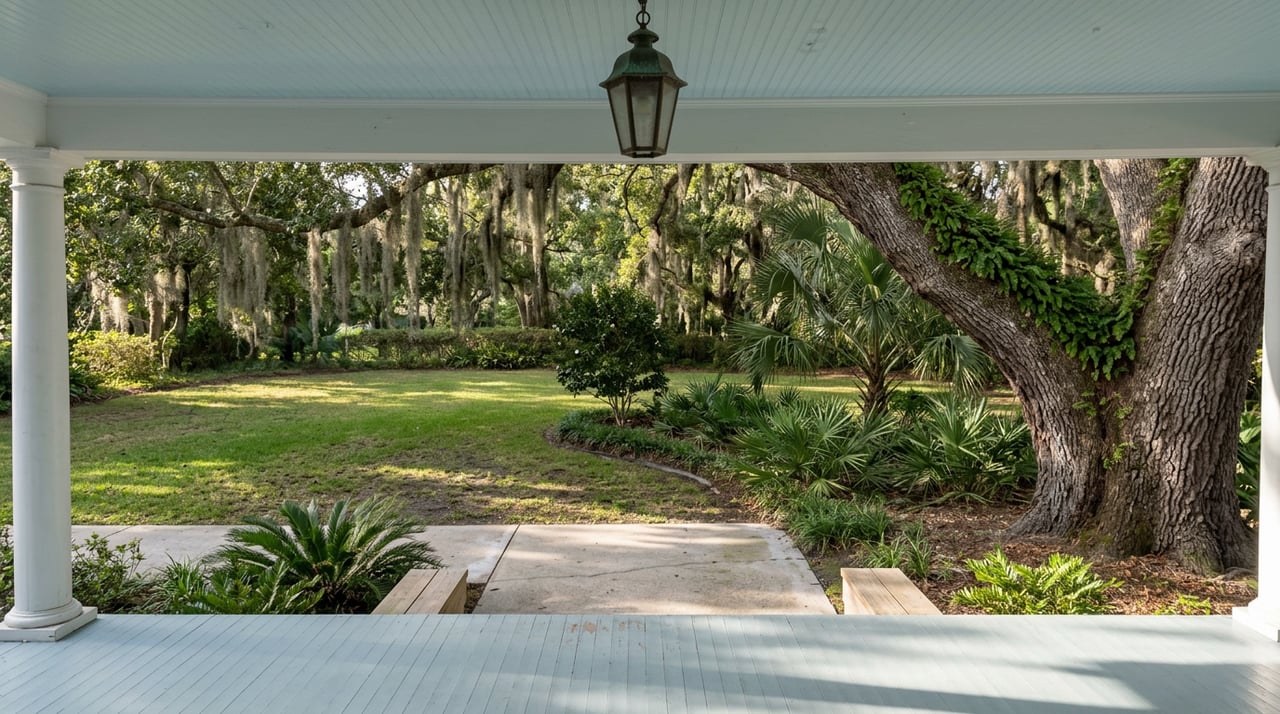
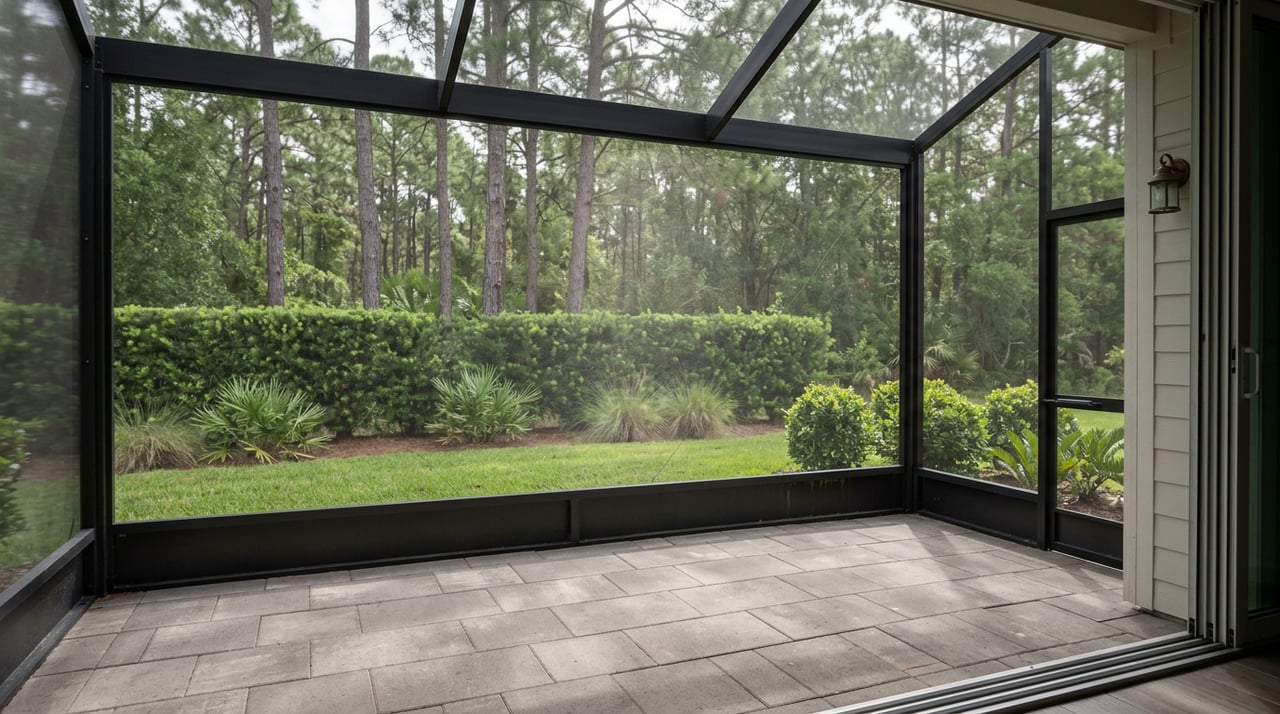
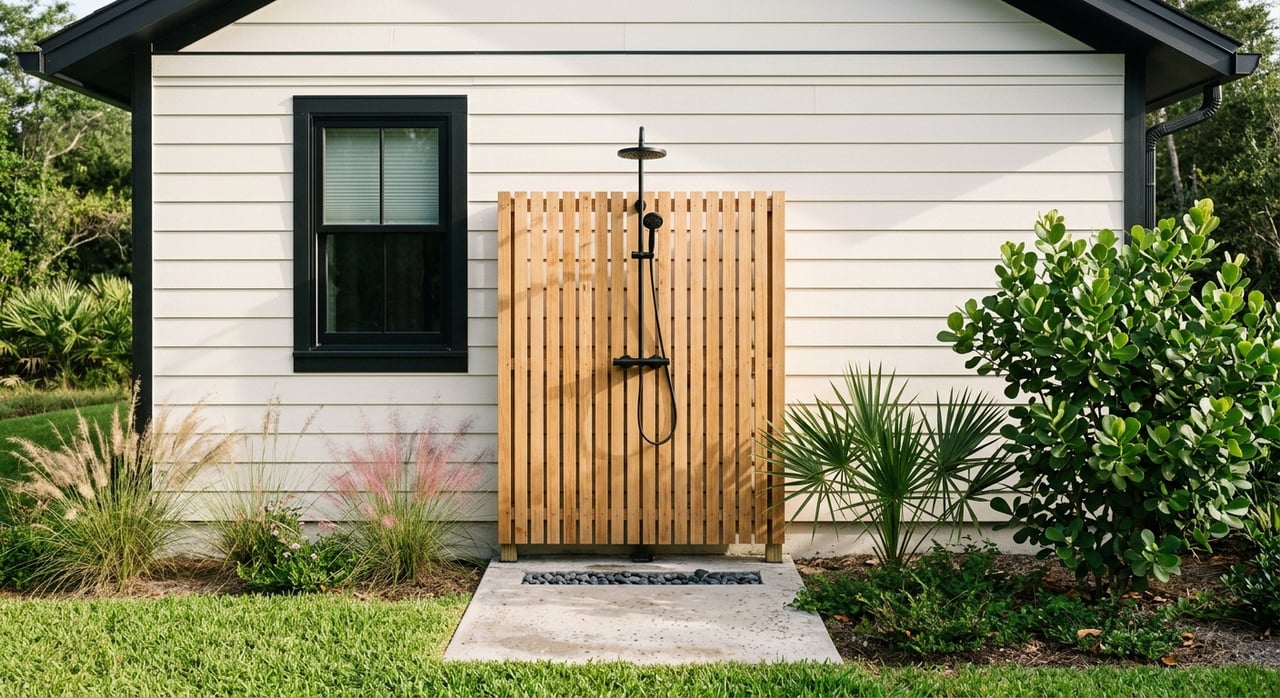
At the beach, square footage is not the only story. Jacksonville Beach housing often emphasizes outdoor living, including patios, pool decks, sheds, and summer kitchens. That reflects how many residents actually use their homes in a coastal setting.
Coastal resilience also matters. The city’s Building Inspection Division points residents toward flood-resistant coastal construction resources and the 2023 Florida Building Code. If you are buying here, it is smart to look beyond finishes and pay attention to how a home supports long-term durability in a coastal environment.
Weather and the Year-Round Tradeoff
The climate is one of the biggest reasons people want to live at Jacksonville Beach full-time. NOAA climate normals show an average annual temperature of 71.4°F. Average January highs and lows are 64.8°F and 49.3°F, while average July highs and lows are 89.3°F and 76.6°F.
That kind of weather supports outdoor living through most of the year. Snow is effectively not part of the picture, which makes beach walks, biking, and open-air dining much easier to enjoy across seasons. At the same time, annual precipitation totals 52.44 inches, and summer heat and humidity are part of everyday life.
Storm Planning Is Part of Living Here
This is where full-time beach living is very different from vacationing. Jacksonville Beach states that a general evacuation is usually called for a Category 1 hurricane or greater. The city also notes that bridge traffic may stop when winds reach 40 mph at the top of the bridge.
Another important detail is that there are no public hurricane shelters at the Beaches. If you plan to live here, storm preparation is not optional. You need to think ahead about evacuation routes, timing, supplies, and what coastal weather could mean for your routine.
A Practical Mindset Helps
For many buyers, especially those relocating from outside Florida, this planning piece can feel new at first. The goal is not to create fear. It is to understand the responsibility that comes with enjoying coastal living year-round.
A practical mindset can help you weigh the tradeoffs clearly. Jacksonville Beach offers strong lifestyle benefits, but it also asks residents to stay aware of weather, access, and storm readiness. That is part of living well here, not just visiting.
Is Jacksonville Beach Right for You?
Jacksonville Beach can be a great fit if you want everyday access to the ocean, outdoor recreation, local dining, and a compact coastal setting connected to the larger Jacksonville area. It can also be appealing if you value a neighborhood feel and do not mind paying more for beach access and location. For some buyers, that combination creates the exact stability and lifestyle they have been looking for.
It may be less ideal if you want to avoid coastal weather planning, need a lower-cost housing option, or prefer a location where driving and bridge traffic are less central to daily life. The right decision comes down to your budget, routine, and comfort with the realities of living on the coast. If you are making a move to Jacksonville or planning a local move, it helps to look at the full picture before you commit.
If you want help thinking through Jacksonville Beach versus other Jacksonville-area options, Chaneshia Washington offers clear, step-by-step guidance to help you make an informed move with confidence.
FAQs
What is year-round living like in Jacksonville Beach, Florida?
- Year-round living in Jacksonville Beach often includes regular beach access, outdoor recreation, local events, and a compact neighborhood feel, along with practical factors like traffic, beach rules, and storm planning.
How expensive is housing in Jacksonville Beach?
- Jacksonville Beach is a relatively expensive coastal market, with a median owner-occupied home value of $575,800 and a median gross rent of $1,848 according to Census QuickFacts.
What kinds of homes are common in Jacksonville Beach?
- Jacksonville Beach includes a mix of housing types, including single-family homes, multi-family housing, and single-family attached homes, rather than only detached beach houses.
How do people commute from Jacksonville Beach?
- Most residents rely mainly on driving, with common routes including Beach Boulevard, Butler Boulevard, Atlantic Boulevard, I-95, and I-295, while JTA routes and the Beach Buggy can help with some short trips.
What weather should Jacksonville Beach residents expect?
- Residents can expect warm weather most of the year, with an average annual temperature of 71.4°F, mild winters, hot and humid summers, and about 52.44 inches of annual precipitation.
What should buyers know about hurricane planning in Jacksonville Beach?
- Buyers should know that Jacksonville Beach usually calls for general evacuation for a Category 1 hurricane or greater, bridge traffic may stop at certain wind speeds, and there are no public hurricane shelters at the Beaches.