Buying an older home in San Marco can be exciting, but it can also feel like a gamble if you do not know what to check first. You may love the charm, location, and history, yet still worry about hidden repair costs, insurance hurdles, or surprise rules tied to the property. The good news is that with the right due diligence, you can enjoy the character of an older home without walking in blind. Let’s dive in.
Why San Marco older homes need extra care
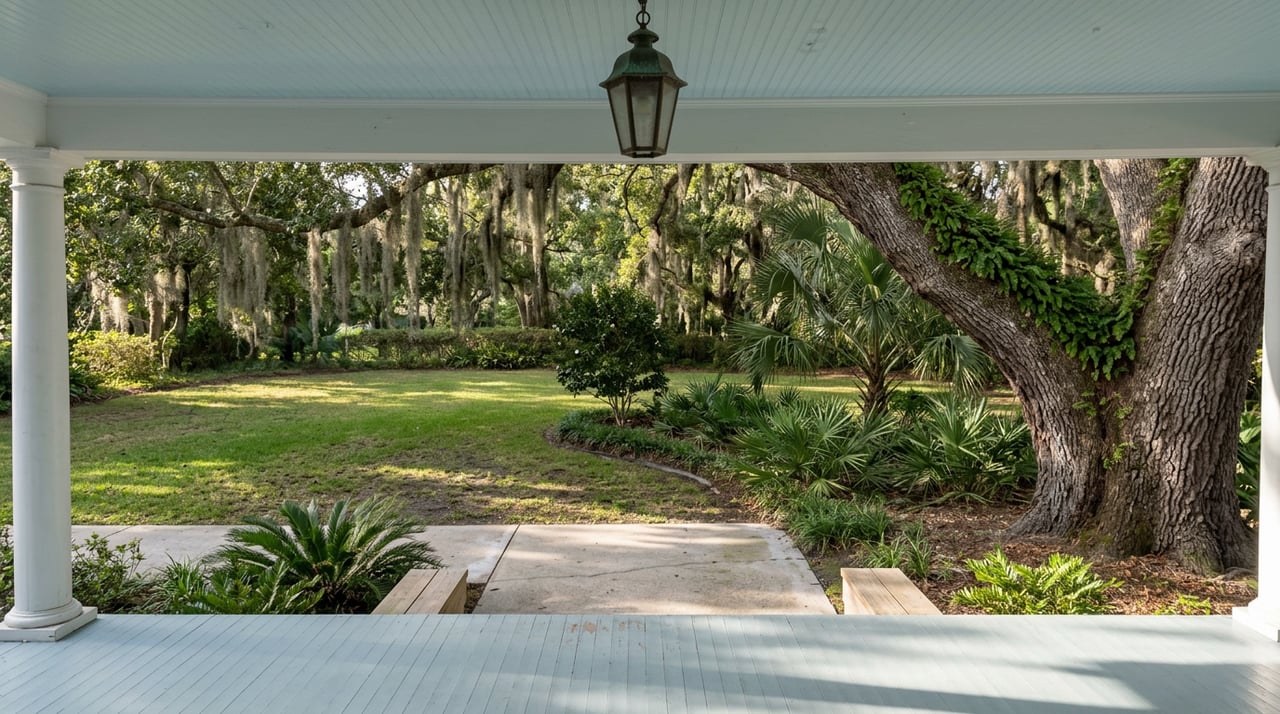
San Marco’s modern development dates back to the 1920s, and the neighborhood is known for its long history and distinctive architecture. That history is part of the appeal, especially if you want a home with personality that stands apart from newer construction. It also means many homes may have older materials, past renovations, and systems that have been updated at different times.
For you as a buyer, that creates a simple reality: charm and age often go together. An older home may have a beautiful exterior or unique details, but the big-ticket items behind the walls still need close review. That is why inspections, insurance planning, and property-specific research matter so much in San Marco.
Check address-specific rules early
Before you fall in love with renovation ideas, confirm what rules apply to the exact property. Jacksonville administers a San Marco zoning overlay zone, which means standards can vary by address. If the home is also designated as a local historic district property or local landmark, exterior changes may require a Certificate of Appropriateness.
That can affect work such as windows, siding, fencing, driveways, and sheds. If you plan to change the outside of the home, you will want to know that upfront so your budget and timeline stay realistic. This is one of those details that is much easier to manage before you close than after.
Focus on the four key systems
In Florida, older homes often trigger a four-point inspection for insurance purposes. This inspection focuses on four major systems: roof, plumbing, electrical, and heating and air. The goal is to document the age, type, condition, and any visible hazards tied to those systems.
A standard home inspection is still important, but the four-point issues can directly affect insurability. If one of these systems is outdated or in poor condition, that can influence your insurance options and your first-year costs. For an older San Marco home, these are usually the first places to look closely.
Roof condition matters more than you think
The roof deserves careful attention because it affects both protection and insurance. In Florida, roofs older than 25 years for shingle roofs, or older than 50 years for hard roofs like tile, slate, clay, concrete, or metal, may need documentation showing at least five years of remaining useful life.
That means you should ask not only when the roof was installed, but also whether the seller has records, reports, or recent evaluations. A roof can look fine from the ground and still create insurance issues. If the documentation is weak, you may need to budget for further review or repairs sooner than expected.
Plumbing should be reviewed for leaks and updates
With older homes, plumbing is not just about whether the sink turns on. You will want to know the pipe type, whether there are visible leaks, the age of the water heater, and whether the home has been re-piped.
Even small plumbing issues can point to larger moisture concerns. In a home with age and past remodeling, it is smart to ask what has been updated and when. If the seller can provide permit or contractor records, that gives you a clearer picture of the work completed.
Electrical can affect safety and insurance
Electrical systems in older homes should be reviewed for wiring type, panel condition, and any unsafe or outdated components. This is one area where cosmetic updates can be misleading. A nicely renovated kitchen does not always mean the electrical system behind it has been fully modernized.
If the panel or wiring raises concerns, that can become both a safety issue and an insurance issue. It can also become a negotiation point before closing. Knowing the condition early helps you decide whether the home still fits your comfort level and budget.
HVAC age impacts comfort and cost
Heating and air is the fourth major system in a four-point inspection. In Florida, HVAC matters year-round because it affects daily comfort, humidity control, and maintenance planning.
Ask about the system’s age, service history, and whether it is cooling evenly. If replacement is near, that should be part of your first-year budget. In an older home, even one major HVAC update can make a big difference in how the property performs.
Watch for moisture, mold, and termites
In Florida, older homes should also be checked carefully for termites, moisture, and mold. Subterranean termites are found throughout Florida, and moisture often plays a major role in both pest and mold problems. If you see signs of water intrusion, staining, musty odors, or recurring mold, that deserves more investigation.
The underlying issue matters just as much as the visible symptom. If mold returns quickly, there is usually a moisture problem that needs to be fixed first. Gutters, drainage, leaks, and crawlspace or exterior conditions can all affect what you may need to repair after closing.
San Marco flood risk is property-specific
Flood risk should be checked early because it can change both your monthly costs and your comfort with the property. San Marco’s location near the St. Johns River makes this especially important. The neighborhood’s proximity to the river and its flood history make drainage, elevation, prior water damage, and flood insurance key parts of your due diligence.
A government-backed mortgage on a home in a Special Flood Hazard Area generally requires flood insurance. At the same time, flooding can happen outside high-risk mapped zones too. That is why reviewing Jacksonville floodplain and GIS resources early in the process can help you avoid budget surprises later.
Wind mitigation can affect long-term costs
Florida also has a strong wind-mitigation inspection framework. These inspections document hurricane-hardening features on the Uniform Mitigation Verification form, which can remain valid for up to five years if the structure has not materially changed.
For you, this matters because documented mitigation features may help clarify the home’s storm-readiness and insurance picture. Florida also offers the My Safe Florida Home program, which provides free hurricane-mitigation inspections and matching grants for eligible homeowners. If you are buying an older San Marco home, this is worth factoring into your long-term planning.
Build a first-year budget, not just an offer price
One of the biggest mistakes buyers make with older homes is focusing only on purchase price. A better approach is to separate the price of the home from your likely first-year ownership costs. That gives you a more honest view of whether the property truly fits your finances.
For an older San Marco home, your reserve fund should usually prioritize the items most tied to safety and insurability. That often includes roof work, electrical updates, plumbing repairs or repiping, HVAC replacement, termite treatment, moisture control, and flood-related fixes. If exterior work may require city review, you should also plan for added time before projects can begin.
Questions to answer before making an offer
Before you move forward, try to get clear answers to the most important property questions. These answers can shape your inspection plan, your repair requests, and your budget.
Start with these buyer questions
- When was the roof installed, and does it appear to meet insurer expectations for remaining useful life?
- Have the plumbing, electrical, or HVAC systems been updated?
- Can the seller provide permits, contractor invoices, or maintenance records?
- Has the property had termites, mold, flood damage, or other water intrusion?
- What repairs were made after any past damage?
- Is the parcel in the San Marco overlay zone, a local historic district, or a local landmark area?
How to buy with fewer surprises
You do not need to avoid older homes in San Marco. You just need a clear process. When you verify property-specific rules, review the four major systems carefully, investigate water and termite risks, and budget beyond the purchase price, you put yourself in a much stronger position.
That kind of step-by-step approach helps you protect both your peace of mind and your money. If you want guidance that keeps the details organized and the decision-making clear, Chaneshia Washington can help you navigate the process with confidence.
FAQs
What should you inspect first in an older San Marco home?
- Start with the roof, plumbing, electrical, and HVAC systems because these are the main areas reviewed in a Florida four-point inspection and can affect insurance.
Why does flood risk matter when buying in San Marco?
- San Marco is near the St. Johns River, so flood risk can affect insurance requirements, monthly costs, and the need to review drainage, elevation, and past water damage.
What exterior changes may need city approval in San Marco?
- If a property is in a local historic district or is a local landmark, exterior work such as windows, siding, fencing, driveways, and sheds may require a Certificate of Appropriateness.
How can an older San Marco roof affect your insurance?
- In Florida, older roofs may need documentation showing remaining useful life, especially if a shingle roof is over 25 years old or a hard roof is over 50 years old.
What records should you ask for before buying an older San Marco home?
- Ask for roof records, permits, contractor invoices, maintenance records, and any documentation related to plumbing, electrical, HVAC, termite treatment, mold remediation, or past water damage.