Buying your first home on Jacksonville’s Westside can feel exciting and overwhelming at the same time. You may be trying to balance your budget, figure out financing, and decide how much work you are comfortable taking on in an older home. The good news is that with a clear plan, you can shop smarter, protect yourself, and move forward with more confidence. Let’s dive in.
Why Westside appeals to first-time buyers
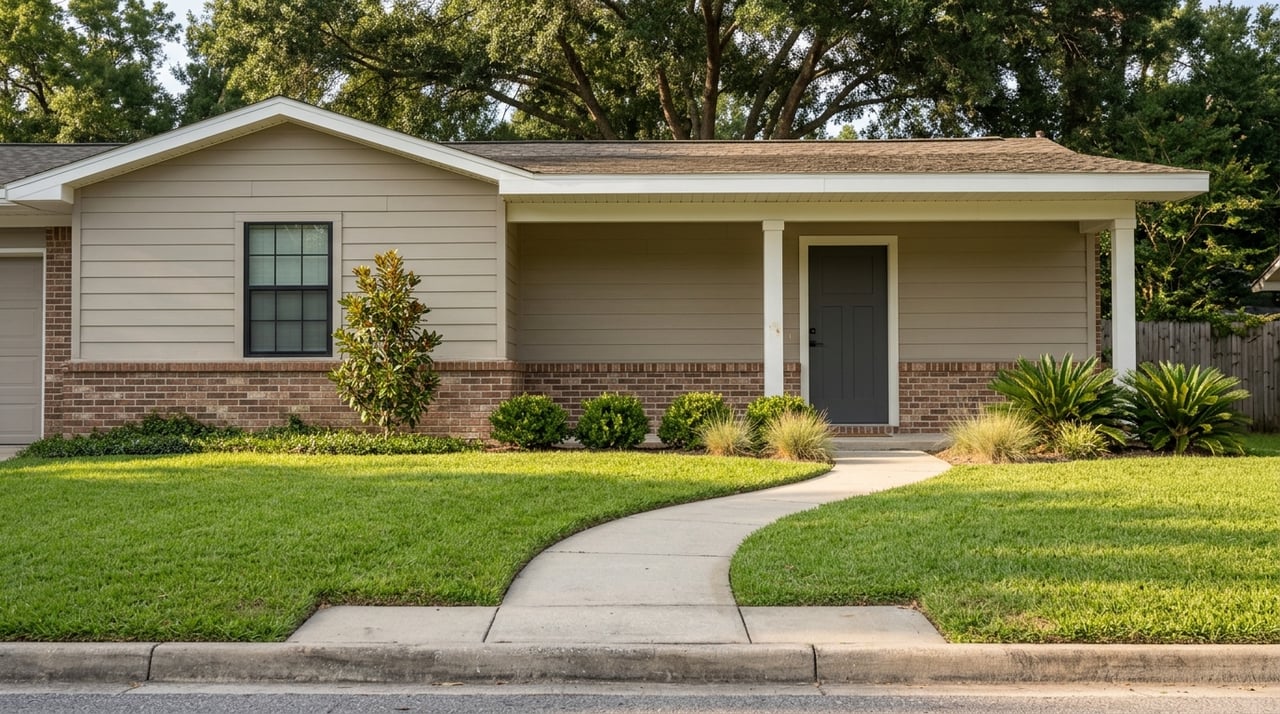
Jacksonville’s Mid-Westside and nearby Westside areas offer a lot of established housing rather than large amounts of brand-new construction. City and county records show housing that includes homes built in the 1920s in Mid-Westside and many single-family homes from the 1950s through the 1970s in places like Cedar Hills and Cedar Hills Estates.
That matters for first-time buyers because your search may include homes with character, mature lots, and practical layouts. It also means you should be ready to look closely at condition, upkeep, and future repair needs instead of focusing only on the list price.
Duval County market data also shows why preparation matters. Realtor.com reports about 7,000 homes for sale in the county, with a median listing price near $300,000 and a median 55 days on market. That gives you options, but it still rewards buyers who have their financing and paperwork ready.
Start with your real budget
Before you tour homes, take time to understand what homeownership will really cost each month. It is not just the mortgage payment. You also need to plan for property taxes, homeowner’s insurance, repairs, moving costs, and other ongoing expenses.
A smart first step is tracking your current spending so you know what payment range feels sustainable for you. If you are stretching too far at the start, even a home you love can become stressful once taxes, insurance, and maintenance start showing up.
On the Westside, this step is especially important because many homes are older. An affordable monthly payment can still come with future repair costs, so your budget should leave room for the unexpected.
Get preapproved before you shop
A preapproval letter can help you move faster when you find the right home. It shows sellers that a lender has already reviewed your finances at a basic level and that you are approaching the purchase seriously.
At the same time, a preapproval is not a final loan guarantee. These letters are usually temporary and often expire within 30 to 60 days. That means timing matters, especially if you start shopping before you are truly ready.
It is also wise to compare at least three loan offers from different lenders. Even a small difference in rate, fees, or loan structure can affect your monthly payment and cash needed at closing.
Explore first-time buyer help
If you are buying your first primary residence, or you have not owned and lived in one during the last three years, you may qualify for helpful programs. Florida Housing offers a Homebuyer Program with 30-year fixed-rate first mortgages through participating lenders.
The program requires approved homebuyer education and lists a minimum credit score of 640. For many first-time buyers, that combination of education and structure can make the process feel more manageable.
Duval County buyers may also be able to use SHIP purchase assistance if they qualify. Under the current Duval-Jacksonville Local Housing Assistance Plan, funds can help cover down payment and closing costs, including pre-paids, inspections, and other associated fees.
The maximum SHIP award is $50,000, the loan carries 0% interest, and it is forgivable over time. Awards are first qualified, first served, and homebuyer counseling is required, so it helps to ask about this early rather than waiting until you are already under contract.
VA buyers have a different path
If you are an eligible veteran or service member, a VA-backed purchase loan may be worth exploring. For primary residences, these loans often allow no down payment and no private mortgage insurance, depending on lender approval and appraisal results.
That can make a major difference in your cash needs upfront and your monthly payment over time. If you are relocating on military orders or trying to protect your VA benefits while managing a Jacksonville move, having a step-by-step plan matters.
Know what Westside homes may require
Many Westside homes are established single-family properties, and county records reflect a lot of mid-century inventory in nearby areas such as Cedar Hills. That does not mean every home will need major work, but it does mean you should expect more attention on age-related maintenance items.
When you tour homes, look beyond fresh paint or updated flooring. Pay attention to the roof, windows, plumbing, electrical systems, HVAC, drainage, and signs of deferred maintenance. A home that looks move-in ready on the surface can still have important ownership costs waiting behind the scenes.
This is where a calm, informed approach protects you. You do not need to be scared of older homes, but you do need to evaluate them carefully.
Shop with insurance and taxes in mind
As you compare homes, ask early about flood and disaster risk and start shopping homeowner’s insurance during the search process. Insurance costs can change what a home truly costs you each month.
Property taxes matter too, and in Duval County, tax amounts can vary by tax district. The Duval County Property Appraiser’s tax estimator can help you compare annual ad valorem taxes on different properties, which is useful when two homes seem similar on price but not on long-term cost.
Keep in mind that the estimator uses the last certified tax rate and does not include exemptions or discounts. It is best used as a planning tool while you narrow your choices.
Make your offer with a plan
Once your budget is set and your financing is lined up, you can shop with more confidence. When the right Westside home fits your budget, condition expectations, and daily needs, you will be in a better position to act quickly.
Your offer strategy should account for more than price alone. Closing costs, inspection timelines, financing terms, and repair concerns can all affect how the deal feels to both you and the seller.
For first-time buyers, this is where guidance matters most. A clear plan can help you avoid rushing into a contract you do not fully understand.
Protect yourself during inspection
After your contract is accepted, schedule an independent home inspection as soon as possible. The inspection is different from the appraisal and is meant to protect you as the buyer.
If your contract includes an inspection contingency, major problems discovered during the inspection may give you a way to renegotiate or step away. It is also recommended that you attend the inspection if possible so you can hear concerns directly and ask questions in real time.
On many Westside homes, this stage is especially important because age and maintenance history can vary widely from one property to another. An inspection helps you understand what you are buying now, not just what the listing photos showed online.
Prepare for closing carefully
Once you are under contract and have chosen your loan, the closing phase begins. This usually includes underwriting document requests, home insurance shopping, title insurance shopping, and final review before signing.
This is also the stage where buyers need to stay alert. Mortgage closing scams often target people in the final days before closing, so verify instructions carefully before sending money or sharing sensitive information.
Good communication and attention to detail can keep this part of the process much smoother. When you know what to expect next, the final stretch feels far less stressful.
Plan for homestead after move-in
If the Westside home will be your primary residence, make a note to review Duval County’s homestead exemption rules after closing. Eligibility is tied to January 1, and the filing deadline is March 1 for the year you want to qualify.
The county also says to allow about 60 days after closing for deed processing before filing online. That timing matters because homestead can change your actual tax picture compared with the early estimates you used during your home search.
For many first-time buyers, this is one of the easiest post-closing steps to overlook. Taking care of it on time can help you better understand your long-term cost of ownership.
Your Westside roadmap in simple steps
If you want to keep the process clear, focus on these steps:
- Review your spending and choose a comfortable monthly budget.
- Get preapproved and compare multiple lenders.
- Ask whether you qualify for Florida Housing, SHIP, or VA loan options.
- Shop Westside homes with age, condition, insurance, and taxes in mind.
- Make an offer with inspection and financing details clearly understood.
- Schedule your inspection quickly and attend if you can.
- Stay organized through underwriting and closing.
- File for homestead on time if the home will be your primary residence.
Buying your first home is a big step, but it does not have to feel chaotic. When you understand the numbers, the condition of the home, and the local steps that come after closing, you can make a decision that supports both your present budget and your future stability.
If you want a calm, education-first guide as you plan your first Westside purchase, Chaneshia Washington is here to help you move forward with clarity and confidence.
FAQs
What types of homes should first-time buyers expect on Jacksonville’s Westside?
- Many Westside and Mid-Westside buyers will see established single-family homes, including homes built in the 1920s in Mid-Westside and many homes from the 1950s through the 1970s in areas like Cedar Hills and Cedar Hills Estates.
What first-time homebuyer programs may help in Duval County?
- Buyers who qualify may be able to use Florida Housing’s Homebuyer Program and Duval-Jacksonville SHIP purchase assistance, which can help with down payment and closing costs.
What should Jacksonville Westside buyers budget beyond the mortgage?
- You should budget for property taxes, homeowner’s insurance, repairs, moving costs, and other ownership expenses in addition to your monthly mortgage payment.
Why is a home inspection important for older Westside homes?
- A home inspection helps you understand the property’s condition, identify major issues, and protect yourself if your contract includes an inspection contingency.
How do property taxes work for a first home in Duval County?
- Duval County taxes can vary by tax district, and the county tax estimator can help you compare properties, while homestead exemption may change your tax picture if the home becomes your primary residence.
When should Duval County buyers file for homestead exemption?
- If the home is your primary residence, eligibility is tied to January 1, the filing deadline is March 1, and the county says to allow about 60 days after closing for deed processing before filing online.