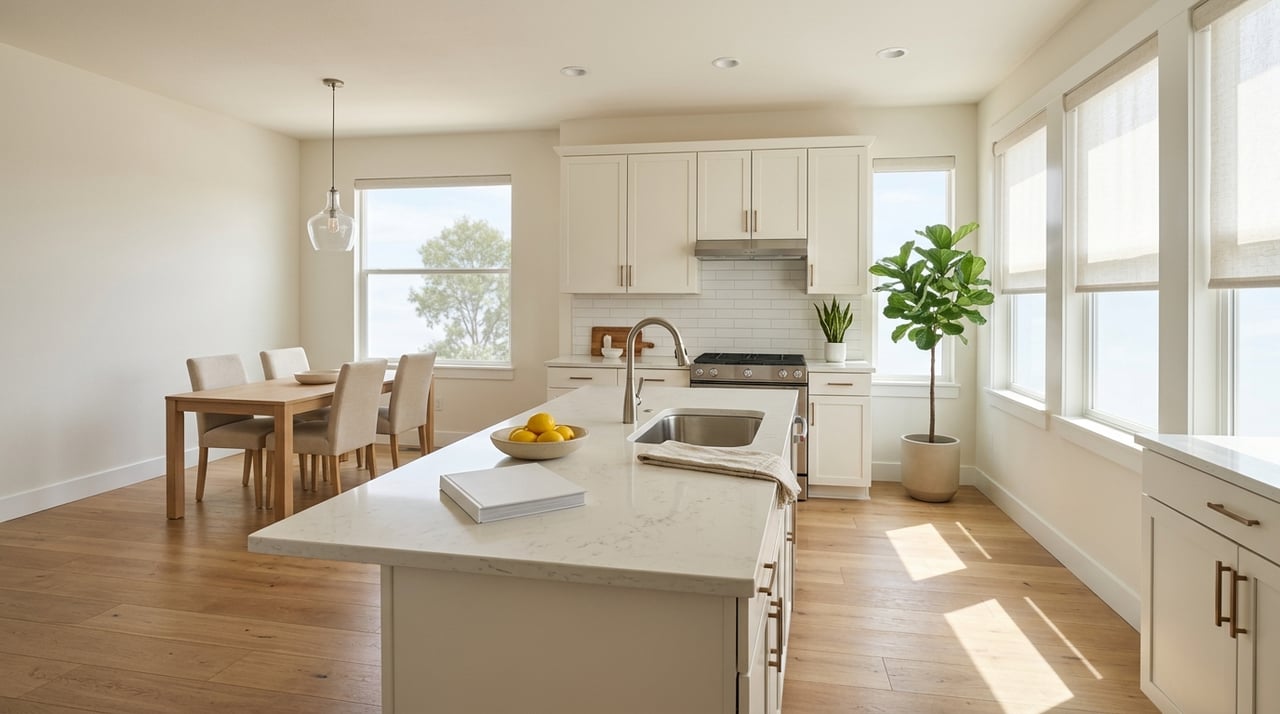
If you are getting ready to sell in Mandarin, one mistake can cost you time and leverage: listing before your home is truly market-ready. In a market where buyers are comparing condition, price, and presentation closely, you want your home to feel clean, cared for, and easy to say yes to. The good news is that you do not need a massive remodel to make a strong impression. You need a smart plan, a realistic timeline, and a clear understanding of what matters most. Let’s dive in.
Understand the Mandarin market
Before you paint a wall or book photos, it helps to know what kind of market you are stepping into. Recent data suggests Mandarin is not the kind of market where every home flies off the shelf at any price. According to local housing data reported for Mandarin and Jacksonville, buyers are active, but they are also price-sensitive and condition-conscious.
That lines up with broader Duval County trends. NEFAR reports showed months of supply in the mid-4s to mid-5s early in 2026, along with median days on market in the mid-40s. In practical terms, that means your first impression matters, your pricing matters, and overreaching can cause your home to sit.
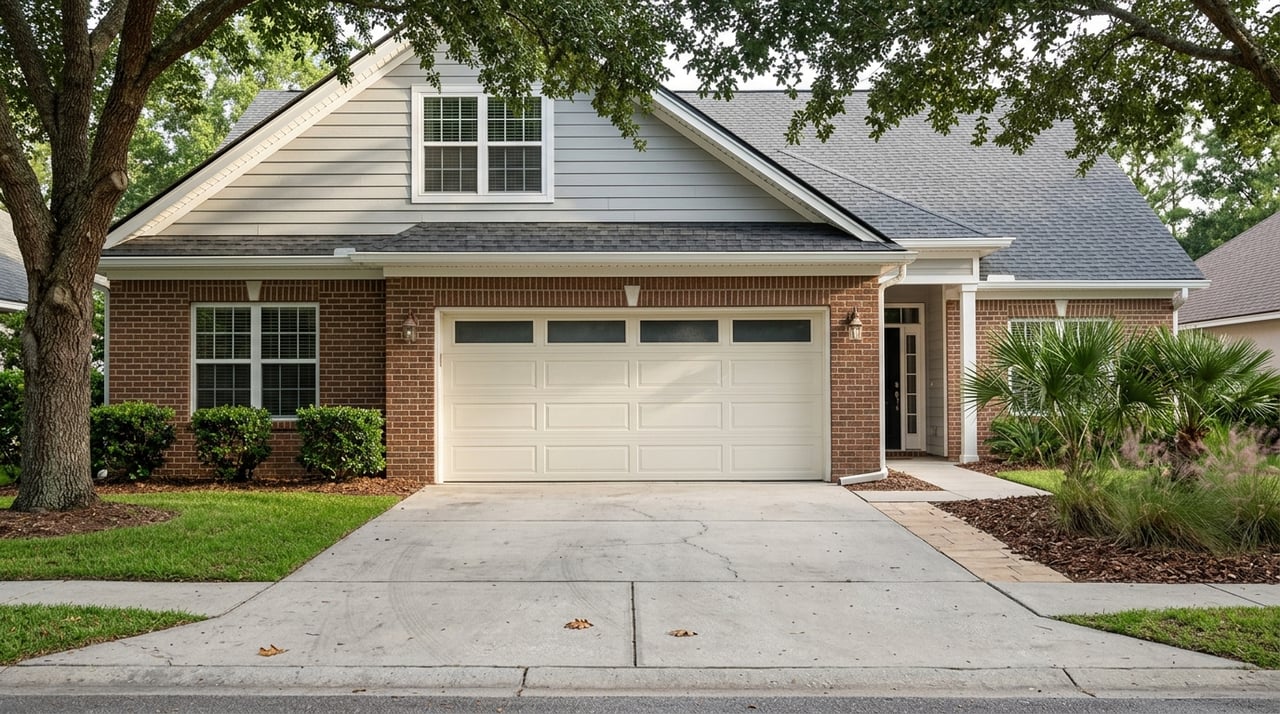
Mandarin also has a distinct local feel. Visit Jacksonville highlights the area’s orange-grove history, parks, and outdoor character, which makes visible upkeep especially important. When buyers pull up to a home here, curb appeal and maintenance cues often shape their expectations before they ever step inside.
Start with the right first steps
If you are wondering what to do first, keep it simple. The most defensible starting points are a pre-sale inspection, decluttering, deep cleaning, and curb appeal touch-ups. These are the steps NAR recommends before putting a home on the market, and they can help you avoid last-minute surprises.
A pre-sale inspection can be especially helpful if you want more control over the process. It gives you a chance to spot issues early, gather repair estimates, and decide what makes sense to fix before a buyer finds it during their inspection. It can also make your planning less stressful because you are reacting on your timeline, not someone else’s.
At the same time, gather the practical items buyers may ask about later. NAR also recommends locating warranties, manuals, and records for major systems before your home goes live. That kind of preparation may seem small, but it can make negotiations smoother and help you present your home as well maintained.
Focus on high-impact prep
You do not need to do everything. You need to do the things buyers will notice most. In NAR’s 2025 staging survey, the most common recommendations from agents were decluttering, entire-home cleaning, and curb appeal improvements, followed by paint touch-ups, landscaping, carpet cleaning, minor repairs, and professional photos.
That list is useful because it keeps you focused on visible impact. Buyers often respond best to homes that feel bright, neutral, clean, and move-in ready. In Mandarin, where the neighborhood character leans outdoor and park-oriented, a tidy exterior and a well-kept entrance can help set the tone.
Here are the prep items worth prioritizing before listing:
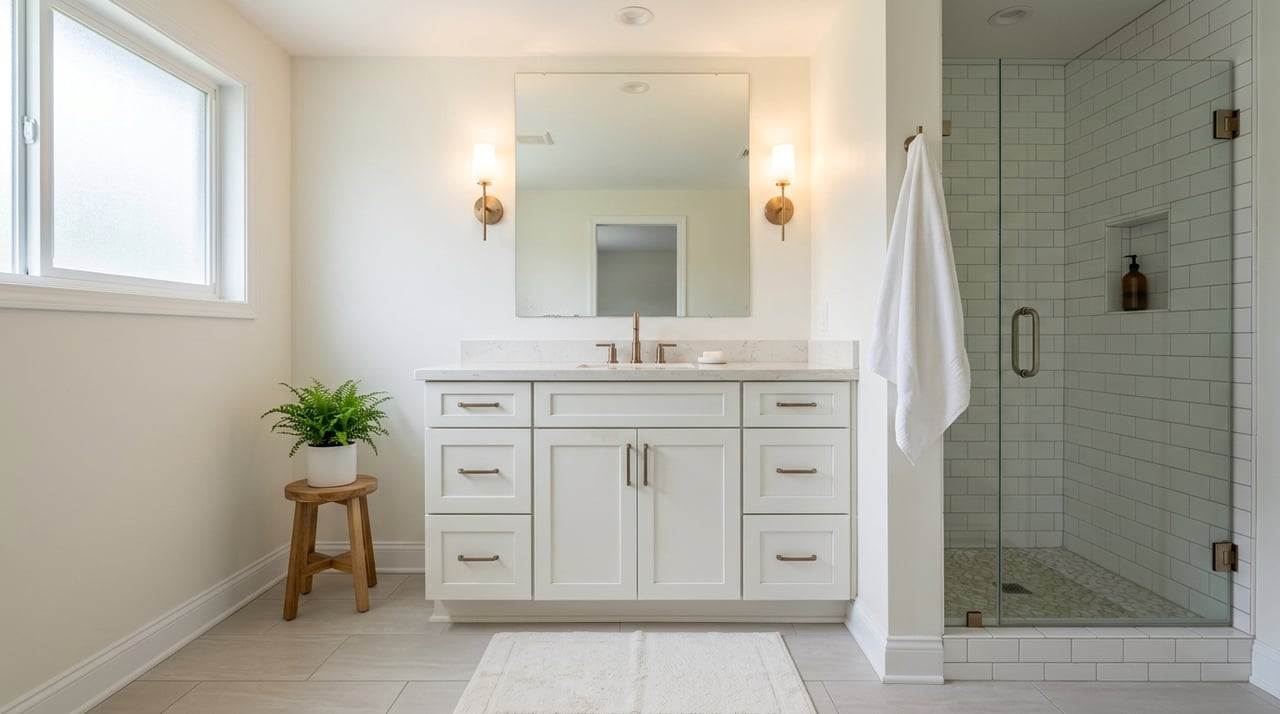
- Declutter countertops, floors, shelves, and storage areas
- Deep clean the entire home
- Touch up paint where walls look scuffed or dated
- Handle minor repairs like loose hardware, sticking doors, or damaged trim
- Refresh landscaping and clean up the front entry
- Clean carpets and flooring
- Replace burned-out bulbs and brighten dim rooms
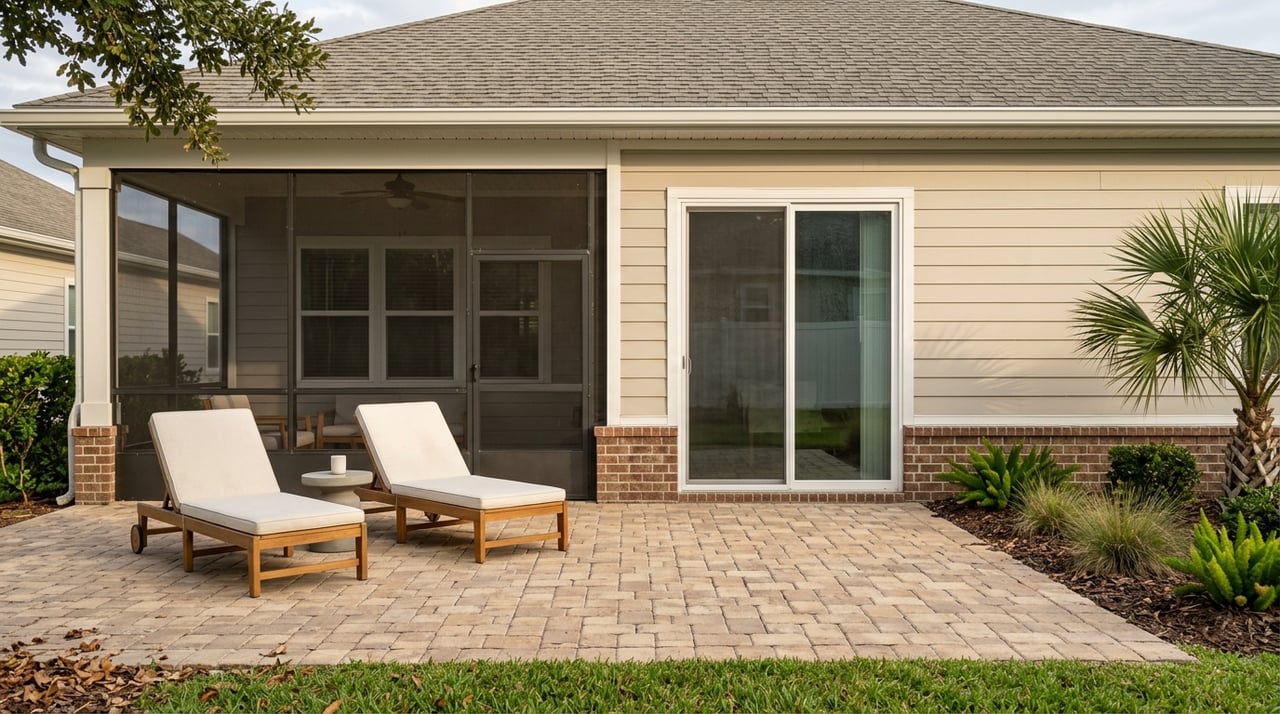
- Organize garages, patios, and utility areas
These steps are usually more effective than pouring money into a large project right before you sell.
Be careful with major remodels
A common question sellers ask is whether they should renovate before listing. In most cases, small visible updates outperform big discretionary remodels when you are preparing to sell. Nationally, Zonda’s 2025 Cost vs. Value Report found stronger average resale returns for exterior-focused projects like garage door replacement, steel entry door replacement, manufactured stone veneer, and fiber-cement siding replacement, along with a minor kitchen remodel.
That does not mean every seller should take on a project. It means visible, practical improvements often create more value than expensive upgrades a buyer may not fully pay for. If you are deciding where to spend, start with items that improve condition, appearance, and function.
A good rule is this: fix what looks neglected, freshen what feels tired, and think carefully before opening a wall or starting a full renovation. If your timeline is tight, your money may be better spent on prep, cleaning, and presentation.
Keep staging realistic
You do not need your home to look like a TV set. You do want it to look polished and photo-ready. According to NAR’s 2025 staging survey, 83% of buyers’ agents said staging made it easier for buyers to visualize a property as a future home, and 60% said staging affected most buyers most of the time.
That same report also shows you may not need full-service staging. Many sellers start with decluttering and correcting obvious flaws instead. The median spend was $1,500 for a staging service, compared with $500 when the agent personally staged the home.
If you are deciding how far to go, start with the rooms that matter most. NAR found the most commonly staged spaces were:
- Living room
- Primary bedroom
- Dining room
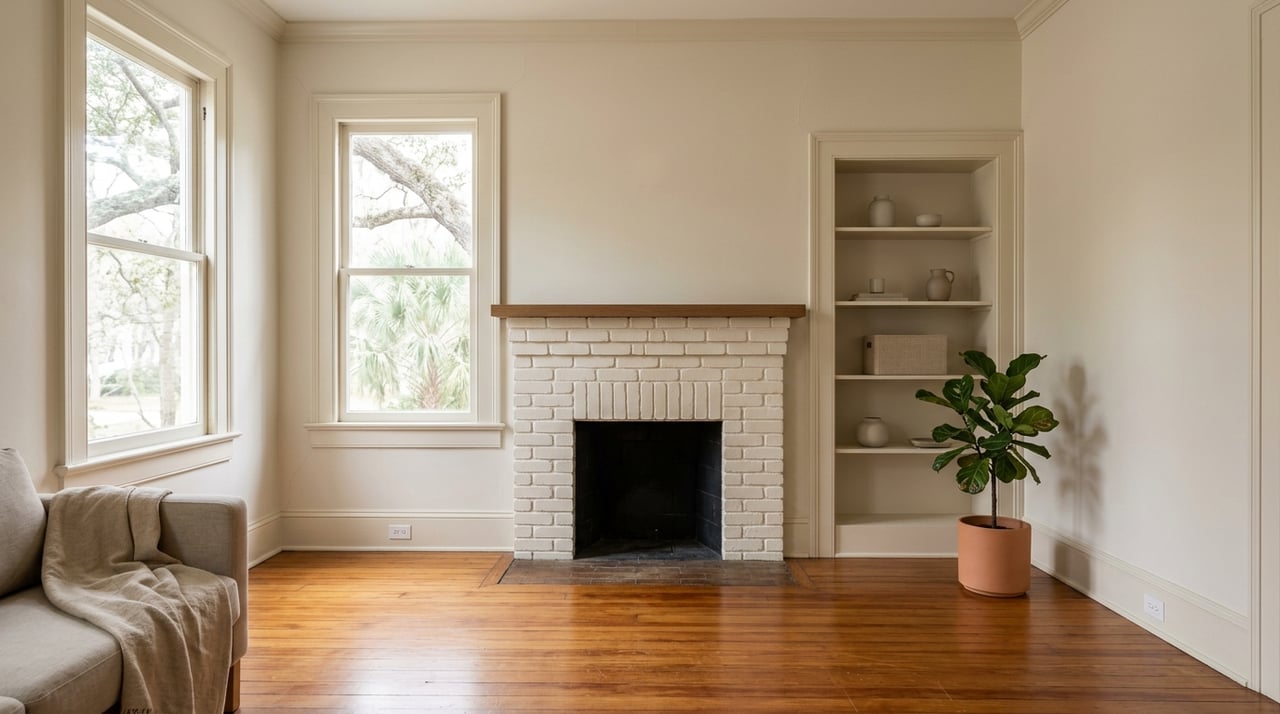
For many Mandarin sellers, a light staging approach is enough. Neutral decor, open surfaces, fresh bedding, balanced lighting, and well-placed furniture can go a long way without making the home feel over-styled.
Prioritize photos and showings
Once your home is prepped, your online presentation becomes critical. NAR found that buyers’ agents rated photos, physical staging, videos, and virtual tours as important listing tools, with photos leading the list.
This matters because many buyers will form their first impression online. If your home looks dark, cluttered, or inconsistent in photos, some buyers may never schedule a showing. Strong photography helps your prep work pay off.
Showings matter too. The same NAR report found that staging can help reduce time on market, with 30% of sellers’ agents saying it slightly decreased market time and 19% saying it greatly decreased market time. That is not a guarantee, but it supports the idea that presentation can help your home move more efficiently.
Price for today, not for hope
Pricing is where many sellers lose momentum. In a market where homes may sell below list and buyers have options, the goal is not to test the market with a number you hope works. The goal is to price from current neighborhood data and compete well from day one.
Recent Mandarin market data from Redfin indicates homes have often sold near but below list, and local days-on-market trends suggest buyers are taking time to compare choices. Combined with Duval County inventory trends from NEFAR, the takeaway is clear: the first few weeks on market are important.
If a home enters the market overpriced, it may get less attention early and create pressure later for a price reduction. A well-prepared home with realistic pricing is usually in a better position than a higher-priced home that asks buyers to overlook condition or stretch beyond local comps.
Build a timeline before you list
One of the best ways to reduce stress is to work backward from your ideal move date. That is especially important if you are selling and buying at the same time, relocating for work, or managing a military timeline.
A simple pre-listing timeline might look like this:
- Schedule a pre-sale inspection
- Create a repair and prep list
- Declutter and deep clean
- Complete minor repairs and exterior touch-ups
- Gather manuals, warranties, and service records
- Finalize pricing strategy from current comps
- Prep for photos and showings
- Review contract timing options before offers come in
This kind of plan gives you more control. Instead of reacting to every deadline as it appears, you can move through the sale with fewer surprises and better decision-making.
If you are buying too, plan for overlap
If your next home depends on the sale of your current one, timing matters just as much as price. NAR’s guide to real estate contract contingencies explains tools that can help coordinate both sides of the move, including home-sale contingencies, home-close contingencies, inspection and appraisal contingencies, continue-to-show clauses, and kick-out clauses.
NAR also notes that these terms need clear timelines. If contingency deadlines are not met within the contract period, either party may be able to cancel without penalty if they act in good faith. That is why planning ahead matters so much when you are balancing a sale and a purchase.
There may also be occupancy tools that help bridge the gap. NAR’s transaction document guide notes that pre- and post-occupancy agreements or a rent-back can help when closing day and move day do not line up. If you expect overlap, it is smart to discuss these options early.
Prepare smart and stay flexible
Selling in Mandarin does not require perfection. It requires strategy. In a market that appears more balanced and more condition-sensitive than the ultra-fast seller markets of past years, your best move is to prep early, focus on visible improvements, price from current data, and stay flexible with timing.
That is where clear guidance can make a big difference. If you want a step-by-step plan for selling your Mandarin home with less stress and more clarity, Chaneshia Washington can help you build a smart prep, pricing, and timeline strategy from the start.
FAQs
What should I do first when preparing to sell a home in Mandarin?
- Start with a pre-sale inspection, decluttering, deep cleaning, and curb appeal improvements so you can catch issues early and make a stronger first impression.
Do I need full staging to sell my home in Mandarin?
- No. A clean, neutral, photo-ready presentation with light staging in key rooms is often the most practical baseline.
Are major renovations worth doing before selling a home in Mandarin?
- Usually, small visible updates and exterior improvements are more defensible than large discretionary remodels right before listing.
How important is pricing when selling a home in Mandarin?
- Pricing is critical because local data suggests buyers are comparing options carefully, and homes that are priced too high may sit longer.
What if I need to buy another home after selling in Mandarin?
- You may be able to use contingencies, occupancy agreements, or a rent-back to help align your sale and purchase timelines.
How can I make my Mandarin home show better online?
- Focus on decluttering, cleaning, neutral presentation, and strong professional photos so buyers get a clear and appealing first impression.