If you are house hunting in Arlington, one question can shape your entire search: do you want the character of an older home or the convenience of a newer one? That decision matters here because Arlington includes a wide mix of housing, from mid-century ranch homes to newer construction in later-developed pockets. When you understand how these homes differ, you can make a choice that fits your budget, lifestyle, and comfort level. Let’s dive in.
Arlington Has Both Older And Newer Homes
Arlington is not a one-era housing market. Jacksonville city sources show that the Mathews Bridge opening in 1953 helped drive major growth in Arlington, and much of Old Arlington is still defined by homes built in the 1950s, 1960s, and 1970s. City planning materials also identify East Arlington as one of the more contemporary suburban areas that expanded after 1980.
That means your search may include a remodeled 1950s ranch, a 1960s or 1970s mid-century home, or a much newer infill or new-construction property. In Arlington, those options can all show up within the same broad area. That is why comparing home age here is more than a style preference. It is a practical buying decision.
What Older Arlington Homes Often Look Like
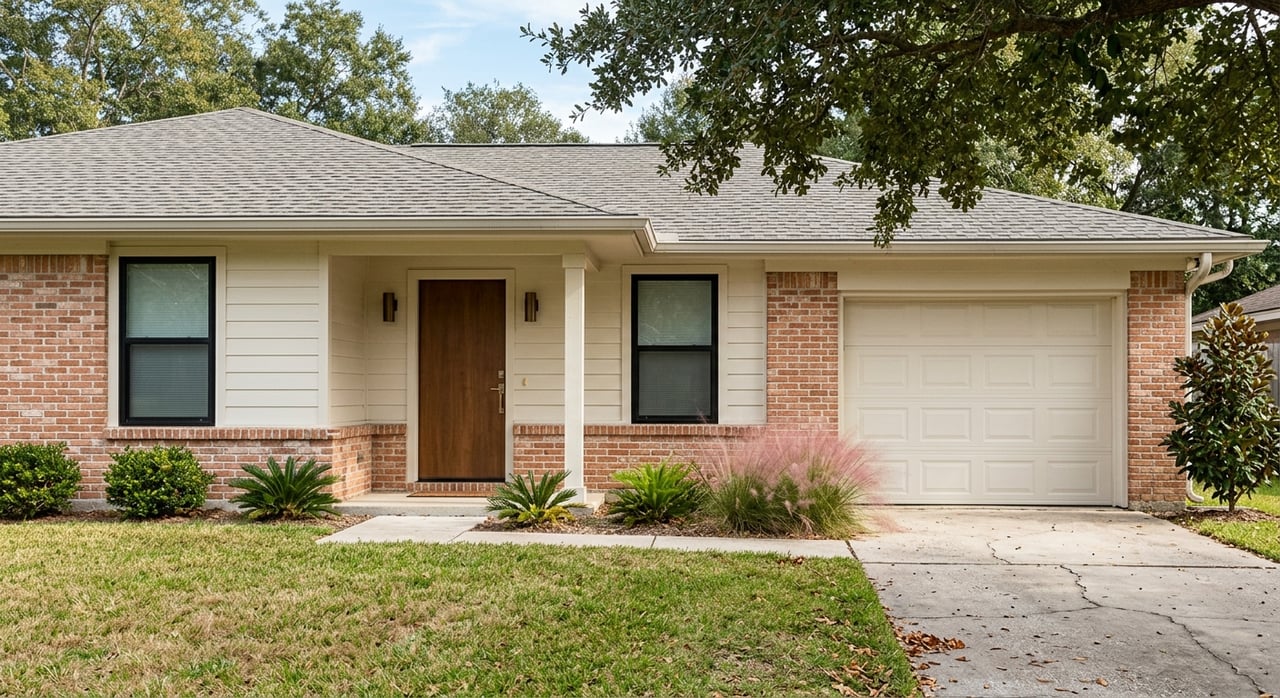
Older Arlington homes are commonly tied to postwar ranch and mid-century modern design. Florida postwar housing research describes many of these homes with concrete-block construction, carports or garages, gable or hip roofs, and details like picture windows, awning windows, clerestory windows, and screen-block privacy walls.
In today’s market, that older inventory often includes one-story or low-profile homes with 3-bedroom layouts and roughly 1,400 to 1,700 square feet, although every home is different. Current Arlington examples still show homes from 1950 and 1951, and listings in areas like Arlingwood continue to reflect that mid-century ranch pattern.
For many buyers, the appeal is easy to understand. Older homes may offer architectural character, established surroundings, and layouts that feel different from newer production homes. Some buyers also prefer the lot size and mature landscape often found in these older Arlington pockets.
What Newer Arlington Homes Often Offer
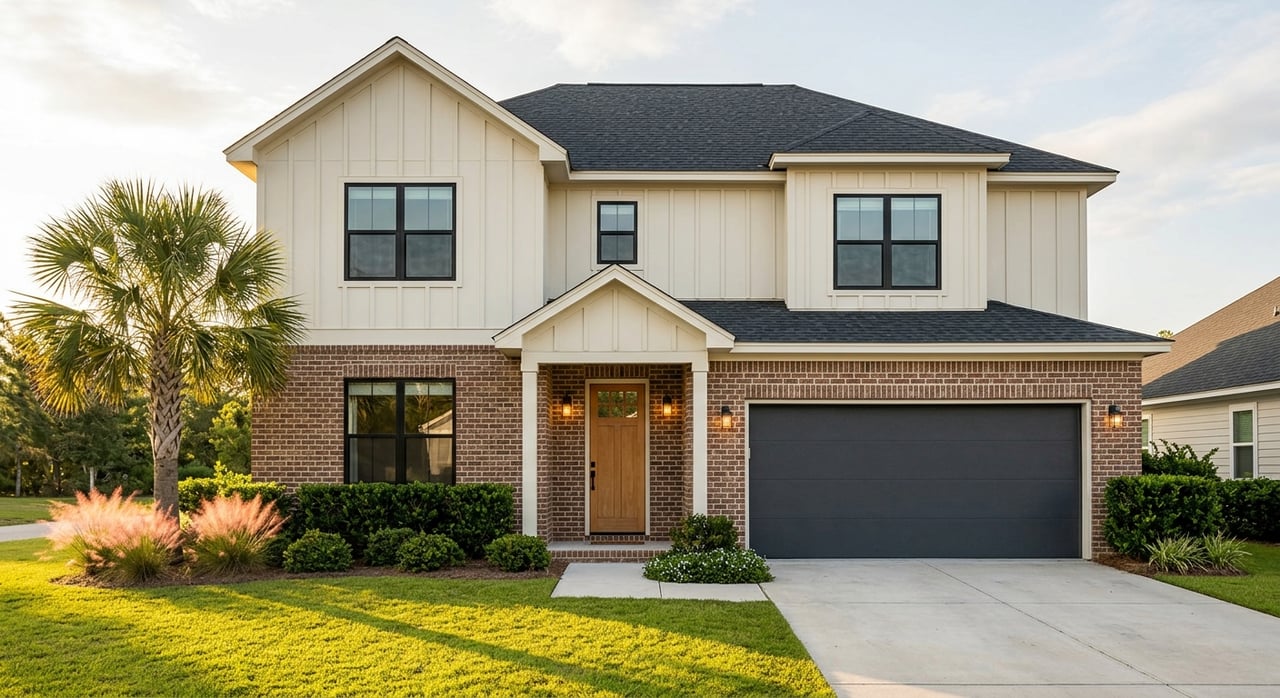
Newer homes in Arlington are more likely to appear in East Arlington and other later-developed areas. Current inventory in ZIP code 32211 includes new-construction communities as well as homes still under construction, which shows that newer options are part of the local mix.
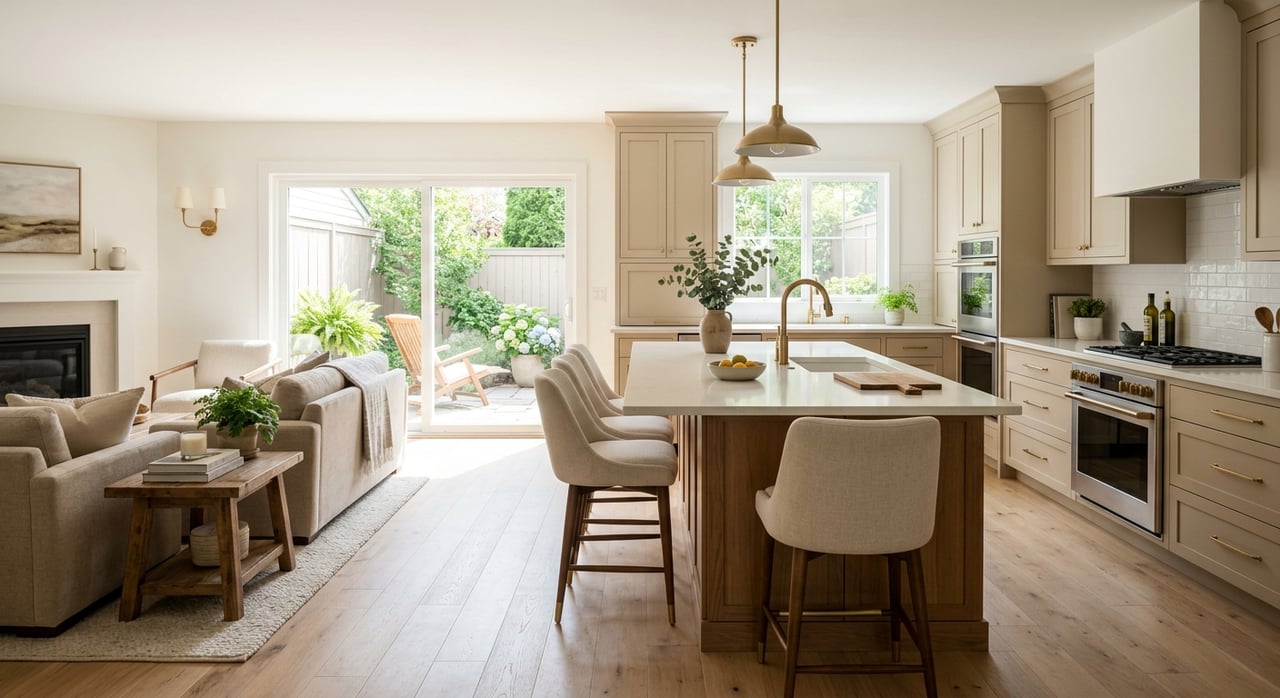
The profile of these homes is often different from the older ranch stock. Recent examples include 4-bedroom homes, 2.5 baths, attached garages, and floor plans ranging from about 1,555 square feet to more than 2,100 square feet. Some listings also highlight features like a downstairs primary bedroom, smart-home technology, and energy-conscious design.
For buyers who want a more turnkey experience, that can be a major advantage. Newer homes often provide more standardized layouts, additional bathrooms or bedrooms, and fewer immediate capital repair surprises. The tradeoff is that some buyers may find them less distinctive than Arlington’s older homes.
Why Older Versus Newer Matters In Arlington
In some neighborhoods, homes are mostly one age, so the choice is limited. Arlington is different. Here, you may compare a mid-century home with updated systems against a newer house with a more modern floor plan and attached garage.
That side-by-side decision affects more than appearance. It can influence your repair budget, inspection priorities, storage needs, and how much work you want to take on after closing. The best fit depends on what matters most to you.
Benefits Of Buying An Older Arlington Home
Older homes often stand out for character and individuality. Mid-century details, ranch layouts, and established lot patterns can create a look and feel that many buyers love.
They may also offer larger or more established outdoor settings than some newer homes. While each property is unique, Arlington’s older neighborhoods are often where buyers look when they want mature landscaping and a setting shaped over time.
Another possible benefit is documented updates. Many older Arlington listings emphasize newer roofs or other major improvements. If the seller has already updated the roof, HVAC, plumbing, or electrical, an older home can become much more attractive from a budgeting standpoint.
Risks To Watch In Older Arlington Homes
Older homes can also come with more questions, which is why careful due diligence matters. If the home was built before 1978, there is a good chance it contains lead-based paint, and buyers should receive the required lead disclosure materials before they are obligated under contract.
In Florida, termite risk is another major concern. The Florida Department of Agriculture and Consumer Services says termites cause more damage in Florida than fires, floods, and storms combined, and Florida’s climate is highly favorable to termite activity. That is why licensed inspection and treatment history matter.
Moisture control is also important. Guidance from the Department of Energy and the EPA emphasizes that moisture control is the key to mold control, so you will want to pay close attention to roof and gutter leaks, grading and drainage, AC condensate function, and indoor humidity.
Finally, older homes often raise bigger questions around major systems. Roof age, HVAC condition, plumbing materials, and electrical updates can shape both your upfront costs and your comfort after move-in.
Benefits Of Buying A Newer Arlington Home
The biggest draw of a newer home is often predictability. You may get a more modern layout, attached garage space, and newer materials that reduce the chance of immediate repair issues.
Newer homes can also work well if you want more bedrooms and bathrooms. Current Arlington-area examples show 4 to 5 bedroom plans, 2 to 3 baths, and layouts built for modern living patterns.
If you are relocating on a tight timeline, including a military move, a newer home may feel easier to manage. Features like builder warranties, smart-home systems, and move-in-ready finishes can simplify the transition when you do not want to handle major projects right away.
Risks To Watch In Newer Arlington Homes
A newer build does not mean no inspection concerns. Even in newer homes, moisture control still matters, especially in a hot-humid climate like Northeast Florida.
Department of Energy guidance stresses that ventilation, HVAC performance, drainage, and humidity control matter in newer homes too. That means you still want to look closely at grading, exterior water flow, and how the home handles moisture.
You should also confirm whether a home is fully complete or still under construction. In Arlington, some current new-construction options are finished while others are still being built, so it is smart to ask about builder warranty terms and the punch-list process before you move forward.
How To Compare Older And Newer Homes
If you are trying to choose between both options, it helps to compare them through a practical lens instead of just an emotional one.
Compare Your Daily Lifestyle
Start with how you want to live in the home. If you value charm, a one-story ranch feel, and a more established setting, an older Arlington home may stand out. If you need extra bedrooms, a more open floor plan, or an attached two-car garage, a newer home may fit better.
Compare Your Repair Tolerance
Be honest about how much maintenance you can handle. Some buyers are comfortable taking on updates over time, especially if they love the home’s style and setting. Others want fewer near-term repair questions and prefer the peace of mind that often comes with newer construction.
Compare The Real Condition
Do not assume older means bad or newer means perfect. A well-maintained older home with documented updates can be a stronger choice than a newer home with drainage or humidity problems.
That is why the inspection process matters so much. The goal is to understand the real condition of the property, not just the year it was built.
Arlington Buyer Checklist
Here is a simple side-by-side checklist to help you compare homes in Arlington.
If You Are Considering An Older Home
- Confirm the year built.
- If the home predates 1978, make sure the seller has provided the required lead disclosure materials.
- Ask for termite or wood-destroying organism inspection reports and treatment history.
- Check for roof leaks, gutter issues, poor grading, HVAC condensate drainage problems, and visible moisture damage.
- Review whether major systems like roof, HVAC, plumbing, and electrical have been updated and documented.
If You Are Considering A Newer Home
- Confirm whether the home is complete or still under construction.
- Ask about builder warranty terms and how the punch-list process works.
- Look closely at grading, drainage, ventilation, and indoor humidity control.
- Compare the floor plan, storage, and garage setup to your actual daily needs.
- Review whether the layout gives you the bedrooms, bathrooms, and flexibility you want long term.
Which Type Of Home Is Best For You?
In Arlington, there is no one-size-fits-all answer. Older homes usually offer more character, established surroundings, and a greater chance that you will need to review updates carefully. Newer homes usually offer more modern layouts, attached garages, and fewer immediate repair concerns.
The right choice comes down to what gives you the most confidence. If you want charm and do not mind doing careful homework on condition, an older Arlington home may be a great fit. If you want convenience, a more modern floor plan, and less near-term maintenance, a newer home may make more sense.
When you compare both with a clear plan, you can make a smart decision that protects your budget and supports your next move. If you want step-by-step guidance as you weigh Arlington’s older and newer homes, Chaneshia Washington is here to help.
FAQs
What is considered an older home in Arlington, Florida?
- In Arlington, older homes often refer to properties built during the area’s major postwar growth period, especially in the 1950s, 1960s, and 1970s.
Where are newer homes commonly found in Arlington?
- Newer homes are more likely to appear in East Arlington and other later-developed suburban pockets, including areas with current new-construction activity.
What should you check first in an older Arlington home?
- Focus first on year built, lead disclosure if the home predates 1978, termite history, moisture issues, and the condition or update status of major systems like the roof, HVAC, plumbing, and electrical.
Are newer Arlington homes maintenance-free?
- No. Newer homes may have fewer immediate repair surprises, but you still need to review drainage, HVAC performance, ventilation, humidity control, warranty terms, and construction completion details.
Is an older or newer Arlington home better for first-time buyers?
- It depends on your comfort level, budget, and goals. Older homes may offer more character, while newer homes may feel easier to manage if you want a more turnkey experience.
How do you choose between an older and newer home in Arlington?
- Compare your lifestyle needs, your repair tolerance, the actual condition of each property, and how each home supports your budget and long-term plans.